2026 Industrial Winding Machine Trends: Technologies Shaping the Future
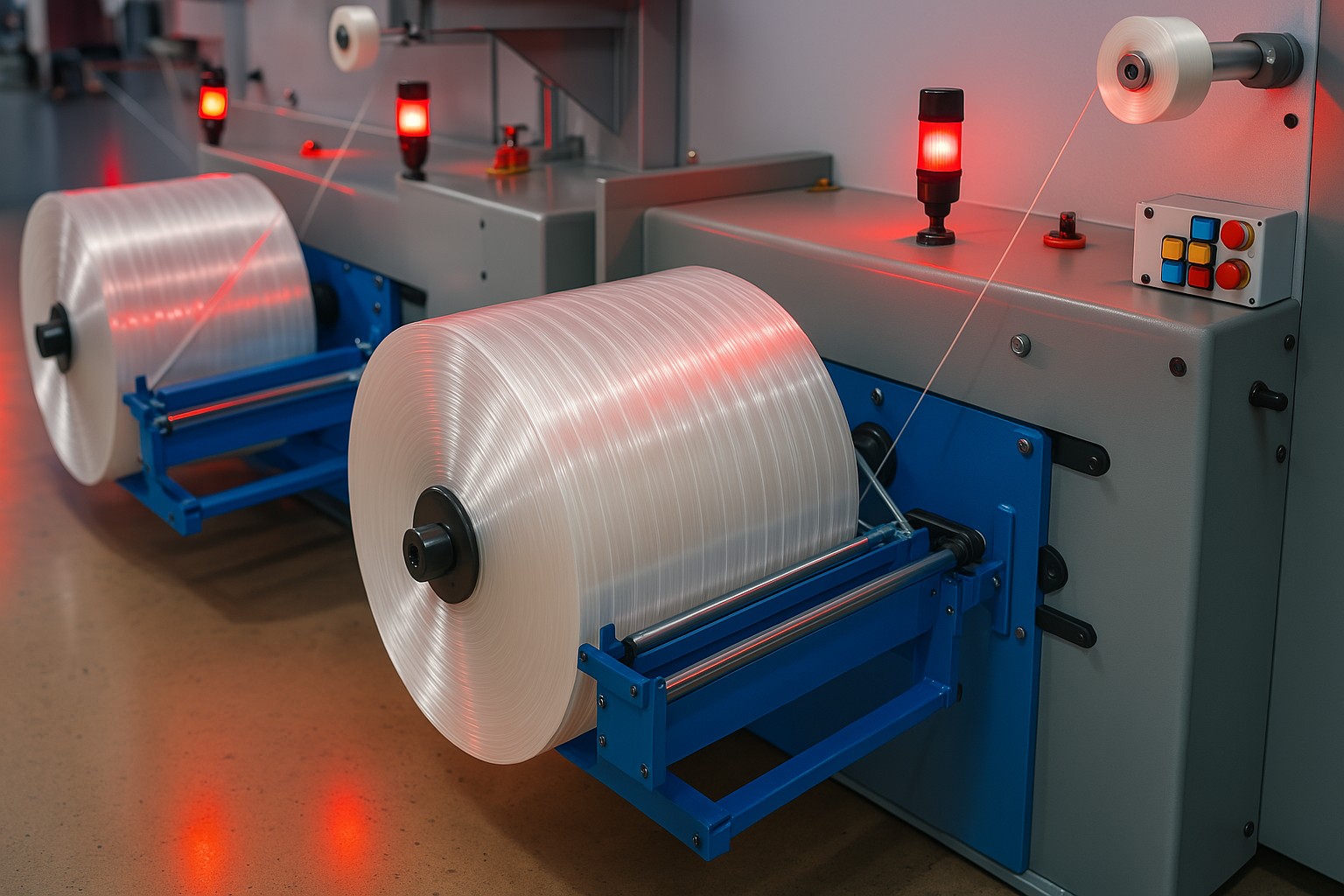
The industrial winding machine sector is undergoing a significant transformation in 2026. From servo motor technology to IoT integration, energy efficiency to AI-powered quality control, numerous innovations are redefining manufacturers' competitive edge.
In this article, we'll explore the most important winding machine trends of 2026, the advantages these technologies bring to your business, and critical factors to consider for your future investments.
1. Servo Motor Technology: Precision and Efficiency
The transition from traditional AC motors to servo motors is one of the most prominent trends of 2026. Servo systems are revolutionizing winding machines:
Tension Accuracy
Servo-controlled systems control yarn tension at the micron level.
Energy Savings
Variable speed control significantly reduces energy consumption.
Less Maintenance
Brushless motor technology minimizes mechanical wear.
Advantages of Servo Motors
- Precise Speed Control: RPM values can be adjusted at millisecond level. Optimized winding profiles can be created for different material types.
- Soft Start/Stop: Yarn breaks caused by sudden acceleration and deceleration are eliminated.
- Programmable Motion: Complex winding patterns (cross-wound, precision layering) can be easily programmed.
- Energy Regeneration: Energy generated during braking is fed back into the system.
2. IoT and Industry 4.0 Integration
The smart factory concept is no longer a luxury but a competitive necessity. In 2026, IoT-integrated winding machines are becoming standard:
Remote Monitoring and Control
- Real-Time Dashboard: Track production data instantly from your tablet or phone.
- Alarm Notifications: Instant SMS/email alerts when machine stops or parameter deviation occurs.
- Remote Intervention: Technical team can connect to your machine via internet to diagnose issues.
Predictive Maintenance
Sensors and AI algorithms detect potential problems before failure occurs:
- Vibration Analysis: Early detection of bearing wear or imbalance.
- Temperature Monitoring: Abnormal heating generates alarms.
- Motor Current Analysis: Electrical consumption patterns reveal problems.
- Planned Maintenance Optimization: Data-driven maintenance schedules reduce costs by up to 40%.
3. Energy Efficiency: Sustainable Manufacturing
Rising energy costs and environmental regulations are bringing energy-efficient machines to the forefront:
Efficiency Technologies
- IE4/IE5 Class Motors: Highest efficiency class motors becoming standard.
- Regenerative Braking Systems: Energy recovery during stopping.
- LED Lighting: 80% energy savings in on-machine lighting.
- Smart Standby Mode: Automatic low-power mode between production runs.
4. Smart Automation and Artificial Intelligence
AI is being used in winding machines across a wide range from quality control to production optimization:
AI-Powered Quality Control
- Image Processing: Cameras automatically detect yarn defects and winding irregularities.
- Real-Time Correction: Immediate intervention on detected errors.
- Statistical Process Control: Quality trend analysis and deviation warnings.
Production Optimization
- Automatic Parameter Setting: Machine learning suggests optimal settings for different materials.
- Production Planning: Automatic production sequencing based on orders.
- Efficiency Analysis: OEE (Overall Equipment Effectiveness) automatic calculation and reporting.
5. Modular and Flexible Design
In 2026, the "one machine, many applications" concept is emerging:
- Quick Product Changeover: Switch between different bobbin sizes and winding types in minutes.
- Capacity Expansion: Production capacity can be expanded with additional modules as needed.
- Future Investment Protection: New features can be added through software updates.
Ready for 2026 Technologies?
At Cirmantech, we integrate the latest technologies into our machines. Our EXW Series winding machines support all the trends mentioned in this article.
Get Free ConsultationConclusion: Invest in the Future
2026 is a year of accelerating technological transformation in industrial winding machines. Servo motors, IoT integration, energy efficiency, and AI-powered systems are no longer "nice to have" but "must have" features for competition.
When investing, consider:
- Is servo motor technology standard?
- Is there IoT and remote monitoring support?
- What is the energy efficiency class?
- Can new features be added through software updates?
- Does modular design offer future expansion?
At Cirmantech, with over 30 years of experience, we offer the latest technologies in industrial winding machines. Contact us for solutions tailored to your needs.